Hybrid vs. V6: 7 Essential Questions About the 2026 Palisade Powertrains Answered
January 27 2026,
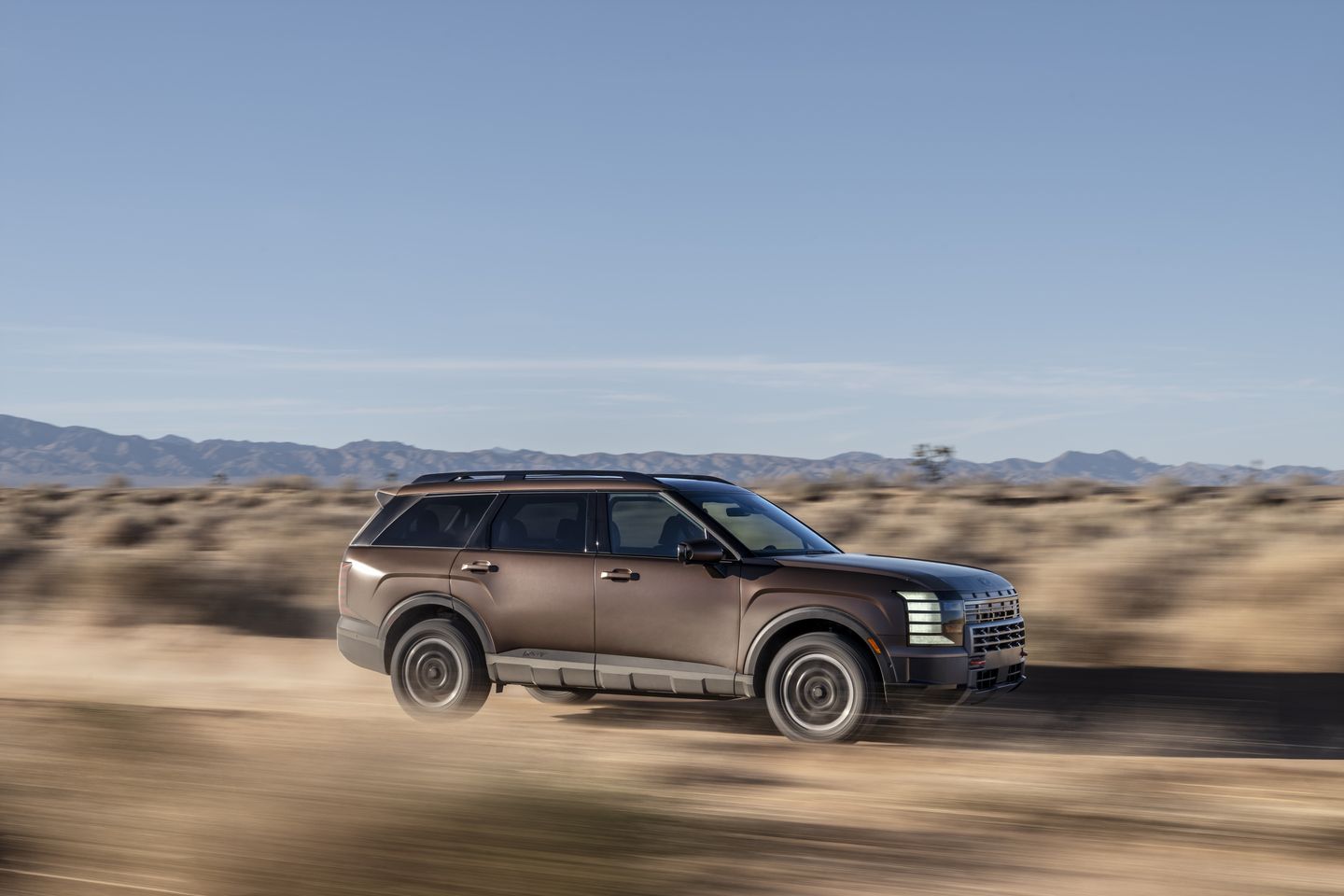
The 2026 Hyundai Palisade arrives with two distinct powertrain options, each designed for different driving priorities. Families shopping for this three-row SUV now face a meaningful choice: the proven capability of a naturally-aspirated V6 or the efficiency-focused approach of Hyundai's next-generation turbo hybrid system. Understanding how these powertrains differ helps you match the right Palisade to your lifestyle.
Both options deliver the space, comfort, and technology families expect from Hyundai's flagship SUV. The decision comes down to how you prioritize power delivery, fuel efficiency, towing capacity, and long-term ownership experience. Let's explore the seven most common questions drivers ask when comparing these powertrains.
What Power and Torque Does Each Powertrain Deliver?
The V6 powertrain features a newly developed 3.5 L direct-injected engine producing 287 horsepower and 260 lb-ft of torque. This naturally-aspirated design pairs with an 8-speed automatic transmission and Hyundai's HTRAC all-wheel-drive system as standard equipment. The powertrain delivers smooth, linear acceleration with a familiar driving character that many families appreciate.
The turbo hybrid option uses a 2.5 L turbocharged 4-cylinder engine with Hyundai's TMED-II dual-motor system for an estimated combined output of 329 horsepower and 339 lb-ft of torque. The hybrid system uses a 6-speed automatic transmission and also includes all-wheel drive as standard.
Power Comparison at a Glance:
- V6: 287 hp and 260 lb-ft of torque
- Turbo Hybrid: 329 hp and 339 lb-ft of torque (estimated combined system output)
- Torque advantage: Hybrid delivers 79 lb-ft more twist for stronger acceleration response
How Does the Hybrid System Actually Work?
The 2026 Palisade hybrid introduces Hyundai's next-generation TMED-II (Transmission Mounted Electric Device) architecture, a notable advancement over previous hybrid designs. This system features two distinct electric motors working in coordination with the turbocharged gasoline engine.
The P1 motor handles engine starting, battery charging, and assists with propulsion when needed. By connecting directly to the engine, this motor reduces engine start time and helps maintain optimal efficiency. The P2 motor focuses on propulsion and regenerative braking, capturing energy that would otherwise be lost during deceleration.
This dual-motor parallel structure allows the hybrid system to precisely control engine load and motor deployment. The powertrain keeps the gasoline engine operating within its most efficient range while using electric assistance to fill performance gaps. The result is improved power delivery, smoother shifting, and reduced noise and vibration compared to traditional single-motor hybrid designs. Drivers experience smooth transitions between electric assistance and gasoline power.
What Fuel Efficiency Should You Expect?
Fuel economy offers one of the hybrid's primary advantages. The turbo hybrid system is officially rated for 7.9 L/100 km on the highway, translating to an estimated driving range of more than 800 kilometres on a single tank. This efficiency comes from the dual-motor system's ability to optimize engine operation and recover energy through regenerative braking.
The V6 powertrain prioritizes capability over maximum efficiency. While specific fuel consumption figures vary based on driving conditions and load, the naturally-aspirated V6 delivers predictable performance without the complexity of hybrid components. Families who prioritize towing capacity and straightforward mechanical design may find this trade-off acceptable.
For drivers in New Brunswick who cover significant highway distances or face variable fuel prices, the hybrid's efficiency advantage compounds over time. The extended range also reduces refuelling frequency during long trips.
How Do Towing Capacities Compare?
Towing capability differs meaningfully between these powertrains. The V6 engine targets a robust 2,268 kg (5,000 lbs) towing capacity, making it the stronger choice for families hauling campers, boats, or powersports equipment. This naturally-aspirated design delivers consistent power under load without relying on forced induction or electric assistance.
The turbo hybrid offers an estimated 1,814 kg (4,000 lbs) towing capacity. While this is 454 kg (1,000 lbs) lower compared to the V6, it remains sufficient for smaller trailers, utility needs, and recreational equipment. The hybrid's torque advantage at lower speeds can actually improve towing responsiveness in certain situations.
Towing Capacity Summary:
- V6: 2,268 kg (5,000 lbs) - ideal for larger trailers and heavy recreational equipment
- Turbo Hybrid: 1,814 kg (4,000 lbs) - suitable for lighter trailers and utility hauling
Families who regularly tow near maximum capacity should prioritize the V6. Those with occasional or lighter towing needs can confidently choose the hybrid for its efficiency benefits.
What Makes the Hybrid Ownership Experience Different?

Beyond fuel efficiency, the turbo hybrid introduces features designed to enhance daily usability. The new Stay Mode function monitors the battery system when parked, allowing extended use of infotainment and climate control functions without running the gasoline engine. This capability transforms the Palisade into a more versatile space for tailgating, camping, or simply waiting comfortably with the engine off.
The hybrid's dual-motor system also contributes to a quieter cabin experience. Reduced engine starts, smoother power delivery, and the ability to operate in electric-only mode during low-speed manoeuvres all minimize noise intrusion. Combined with the Palisade's standard laminated windshield, front side glass, and generous sound-deadening materials, the hybrid creates a notably serene environment.
V6 owners benefit from mechanical simplicity and the confidence of proven technology. The naturally-aspirated design eliminates concerns about turbocharger maintenance or hybrid battery longevity, though Hyundai backs hybrid components with comprehensive warranty coverage extending to 96 months or 160,000 kilometres.
Which Powertrain Suits Different Driving Patterns?
Highway-focused drivers who prioritize efficiency and extended range naturally gravitate toward the turbo hybrid. The system's ability to maintain optimal engine operation during steady-state cruising maximizes fuel economy, while the substantial torque output ensures confident passing power when needed. Families covering long distances across New Brunswick will appreciate reduced fuel stops and lower operating costs.
The V6 excels for drivers who value towing capability, prefer traditional powertrain characteristics, or simply want the reassurance of naturally-aspirated simplicity. Active families who regularly haul recreational equipment benefit from the V6's superior towing capacity and consistent power delivery under load. The 8-speed automatic transmission provides smooth, responsive shifts across a wide range of driving conditions.
Urban and suburban drivers may find the hybrid's electric assistance particularly beneficial during stop-and-go traffic, where regenerative braking recovers energy and reduces brake wear. The V6 remains equally capable in these environments, trading some efficiency for mechanical straightforwardness.
How Do These Powertrains Fit the Palisade Lineup?
Both powertrains integrate across the 2026 Palisade trim range. The V6 comes standard on Preferred Trend, XRT PRO, and Ultimate Calligraphy trims, with all-wheel drive included. The turbo hybrid becomes available starting with the Luxury trim and can be optioned on the range-topping Ultimate Calligraphy.
This flexibility allows buyers to prioritize features, capability, or efficiency based on individual needs. Families who want maximum towing capacity can select the V6 across any trim level. Those prioritizing fuel efficiency can choose the hybrid while still accessing premium features like Relaxation seating, the Bose 14-speaker audio system, and advanced safety technologies.
Both powertrains share the Palisade's expanded dimensions, including a 70 mm longer wheelbase and 65 mm greater overall length compared to the previous generation. This translates to improved passenger space, easier third-row access, and enhanced cargo capacity regardless of which powertrain you select.
Experience Both Powertrains at Thomas Hyundai
The choice between the 2026 Palisade's V6 and turbo hybrid powertrains depends on how you use your SUV. Towing-focused families benefit from the V6's superior capacity and mechanical simplicity. Efficiency-minded drivers gain meaningful fuel savings and extended range with the hybrid's advanced dual-motor system. Both deliver the space, comfort, and technology that make the Palisade a strong family SUV.
Visit our team at Thomas Hyundai to explore both powertrains and find which Palisade configuration best matches your driving priorities.