5 Ways the 2026 Hyundai Tucson Hybrid’s Driver-Assist Suite Keep You Confident on Your Daily Commute
August 31 2026,
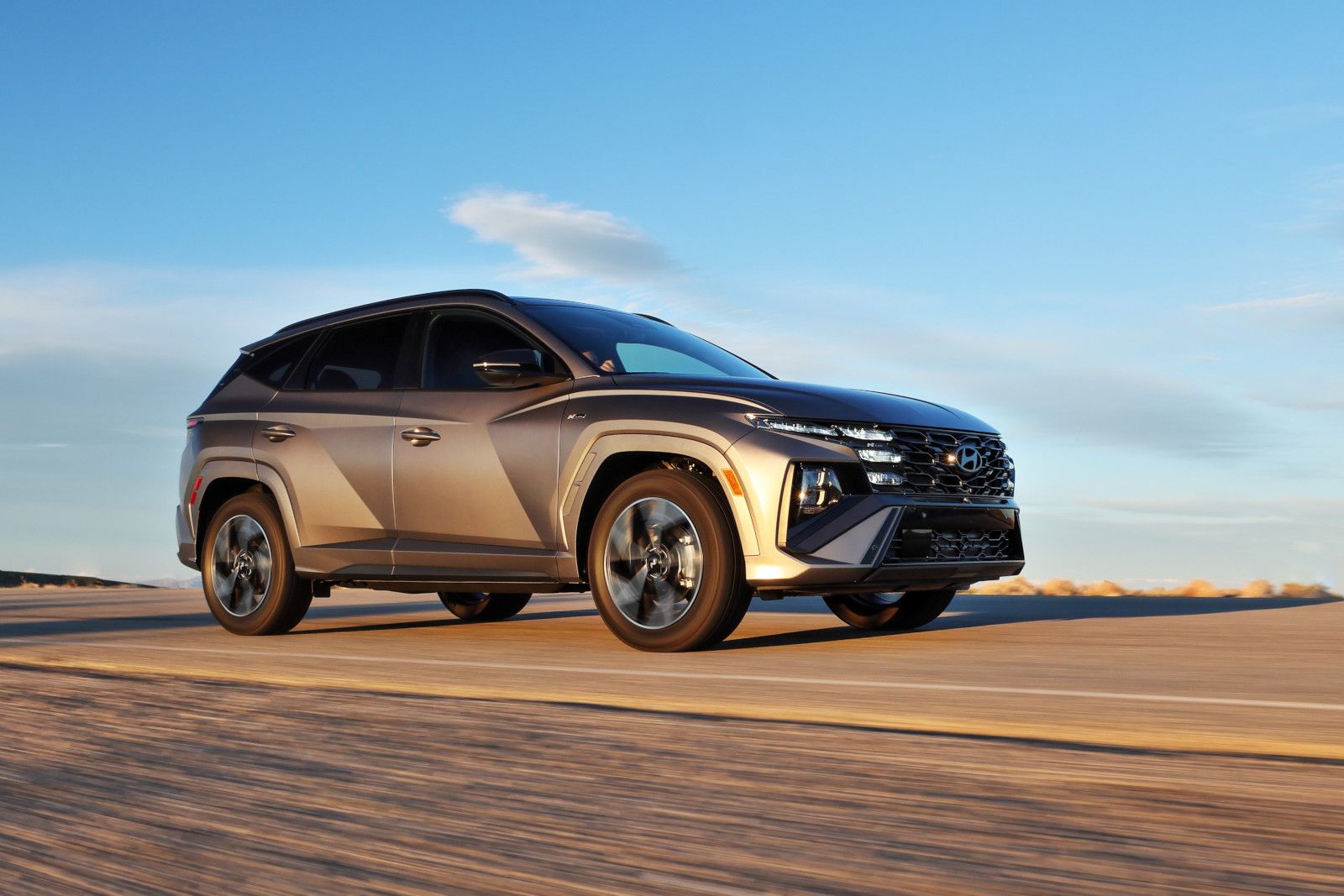
Commuting in New Brunswick means merging onto busy arterial roads, navigating tight parking lots, and dealing with weather that changes fast. If you’re weighing the 2026 Tucson Hybrid, the driver-assist suite is worth understanding before you decide which trim fits your daily drive.
Here are five real scenarios where these systems make a difference, and where the lineup draws the line between standard equipment and Ultimate-only tools.
1. Staying Relaxed in Stop-and-Go Traffic
Adaptive Cruise Control with stop-and-go capability comes standard across the Tucson Hybrid lineup. It tracks the vehicle ahead, automatically adjusting speed as traffic slows and holding position once things come to a stop. On repetitive commuter routes, this cuts down the constant braking and re-accelerating that makes a long drive tiring. The Ultimate trim steps this up with Adaptive Cruise Control 2, adding a more refined version of the same stop-and-go behaviour.
2. Holding Your Lane on Longer Stretches
Lane Following Assist and Lane Keeping Assist are standard on every Tucson Hybrid trim. Together they provide steering support that keeps the vehicle centred during longer highway or arterial-road stretches, correcting small drifts before they become a problem. Paired with the standard Driver Attention Warning, the system also flags signs of fatigue on repetitive drives, which matters most on the kind of straight, monotonous roads common outside town centres.
3. Backing Out and Changing Lanes with More Awareness
Blind-Spot Collision Warning and Rear Cross-Traffic Collision-Avoidance Assist are standard equipment on the Tucson Hybrid. These systems watch the zones a mirror check can miss, whether you’re changing lanes on a multi-lane road or reversing out of a parking spot with limited sightlines. Add Safe Exit Warning, also standard, and the same sensors help catch a cyclist or vehicle approaching as passengers open their doors.
4. Parking and Manoeuvring in Tight Spaces

For daily errands, downtown parking, or crowded retail lots, the Ultimate trim’s camera suite goes further than the rest of the lineup. Surround View Monitor and Blind View Monitor give a wider look around the vehicle at low speed, while Parking Distance Warning (front, side, and reverse) and Parking Collision-Avoidance Assist add extra confidence backing into a narrow spot.
Remote Smart Parking Assist rounds out the Ultimate’s low-speed toolkit, letting the vehicle move into or out of a tight space under driver control from outside the cabin.
5. Knowing What You’re Actually Getting by Trim
Most of the core driver-assist systems, adaptive cruise, lane keeping, blind-spot warning, and rear cross-traffic alert, are standard across the Tucson Hybrid lineup, whether you’re looking at N Line or Ultimate. The Ultimate adds Highway Driving Assist 1, the full parking and camera suite, and Adaptive Cruise Control 2. If everyday reassurance on the highway and around town is the priority, the standard suite covers that. If maximum help squeezing into tight parking is the priority, that’s where Ultimate earns its place.
Quick Answers at a Glance
- Adaptive Cruise Control (stop-and-go): standard on every Tucson Hybrid trim
- Lane Keeping / Lane Following Assist: standard on every Tucson Hybrid trim
- Blind-Spot Warning & Rear Cross-Traffic Alert: standard on every Tucson Hybrid trim
- Surround View Monitor, Blind View Monitor, Remote Smart Parking Assist: Ultimate trim only
Where the Hybrid Fits in the Tucson Lineup
The Tucson Hybrid’s 1.6L turbo engine produces 231 combined horsepower and 271 lb-ft of combined torque, with HTRAC All-Wheel Drive standard, the same drivetrain layout used across the whole Tucson range. Combined fuel economy sits at 6.7 L/100km, noticeably lower than the 8.8 L/100km rating on the 2.5L gas Preferred trim. For a New Brunswick shopper who wants stronger efficiency without giving up all-wheel traction for winter roads, the Hybrid is the version built around that trade-off.
Before you decide on a trim, it’s worth confirming exactly which driver-assist features come standard versus which ones are Ultimate-exclusive, since the gap between trims is real. A test drive is the best way to feel it: try a stretch of highway to test lane centring, a lane change to feel the blind-spot alert, and a parking manoeuvre if you’re considering the Ultimate’s camera suite.
Test Driving the 2026 Tucson Hybrid in Woodstock
The 2026 Tucson Hybrid pairs a 231-combined-horsepower powertrain with standard all-wheel drive and a driver-assist suite that scales from everyday reassurance to Ultimate-exclusive parking tools. Which trim makes sense depends on how you actually use the vehicle day to day.
Visit Thomas Hyundai in Woodstock to test drive the 2026 Tucson Hybrid and see which trim’s driver-assist features match your commute.