Keeping the 2026 Hyundai Kona Comfortable All Summer With Ventilated Front Seats and Solar Windshield Glass
July 22 2026,
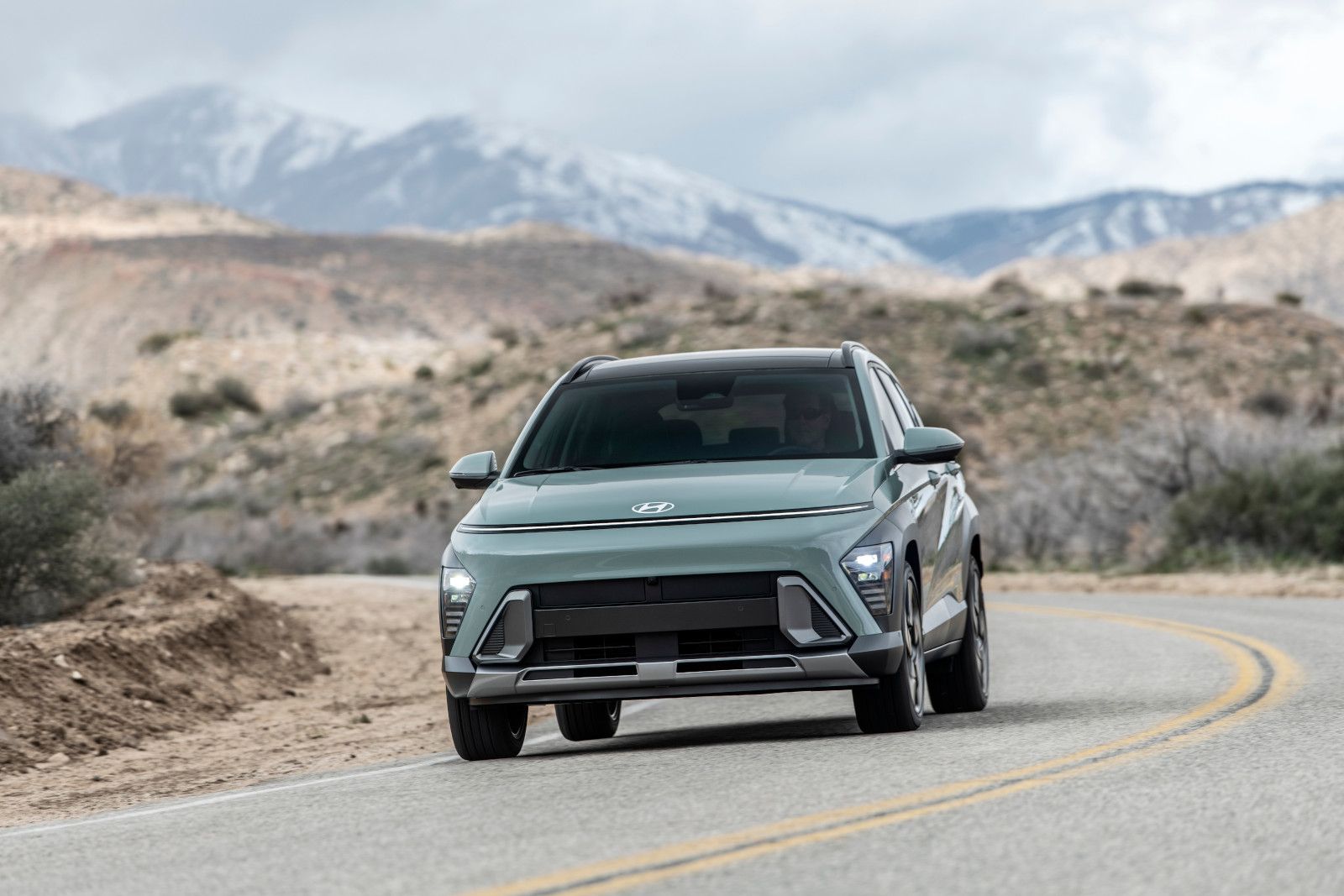
July in New Brunswick can turn a short highway drive into a sweat session, especially when the sun sits high for hours at a stretch. The 2026 Hyundai Kona answers that heat with two features working together: ventilated front seats and solar front glass. Neither is flashy, but both change how the cabin feels on a hot afternoon.
Here’s what each one does, how it works, and which Kona trims include it.
What Ventilated Seats and Solar Glass Actually Do
Ventilated front seats cool the surface you’re sitting on, not just the air blowing past your face. On the 2026 Kona, they’re standard equipment on the N Line Ultimate trim, and come paired there with a power driver’s seat and two-way lumbar support.
Solar front glass works differently. It’s treated to cut down how much heat passes through the windshield before it reaches the cabin. On the Kona, it’s standard on the Essential trim, alongside LED headlights and active grille shutters as part of that trim’s exterior package.
How the Cooling Actually Happens
Ventilated seats use small fans that pull air through a perforated seat cover. That draws heat and moisture away from your skin instead of trapping it against the upholstery, so the seat surface stays cooler even after the car has been sitting in a parking lot.
Solar glass takes a different approach. It manages heat before it becomes the air conditioner’s problem, cutting the amount of solar energy that passes through the windshield. That means the A/C isn’t fighting as hard against sun-baked glass the moment you start driving.
Why This Matters on New Brunswick’s Hottest Days
A parked Kona in direct sun heats up fast, and the windshield is a major source of that heat. Solar front glass on the Essential trim reduces how much of that energy makes it inside before the climate system catches up.
Cabin space matters on longer trips too. Front legroom of 1,059 mm and shoulder room of 1,443 mm give the Kona enough room for a highway stretch with the windows up and the A/C running. Second-row HVAC vents, included on the Essential and Preferred trims, keep rear passengers in the airflow as well, not just the driver.
Drivetrain plays a role on wet summer roads. AWD is optional on Essential and Preferred, and standard on Preferred Trend, N Line, and N Line Ultimate.
The two engine choices suit different summer moods. The 2.0L engine on Essential and Preferred trims makes 147 hp and 132 lb-ft, paired with an Intelligent Variable Transmission that delivers power without the shift-hunting of a conventional automatic, useful in stop-and-go summer traffic. It also carries the lineup’s most efficient rating, at 7.5 L/100 km combined on the Essential trim.
The turbocharged 1.6L on N Line and N Line Ultimate makes 190 hp and 195 lb-ft through an 8-speed automatic, landing at 9.0 L/100 km combined, the trade-off for a livelier drive out of a cottage-bound on-ramp.
Who Notices These Features Most
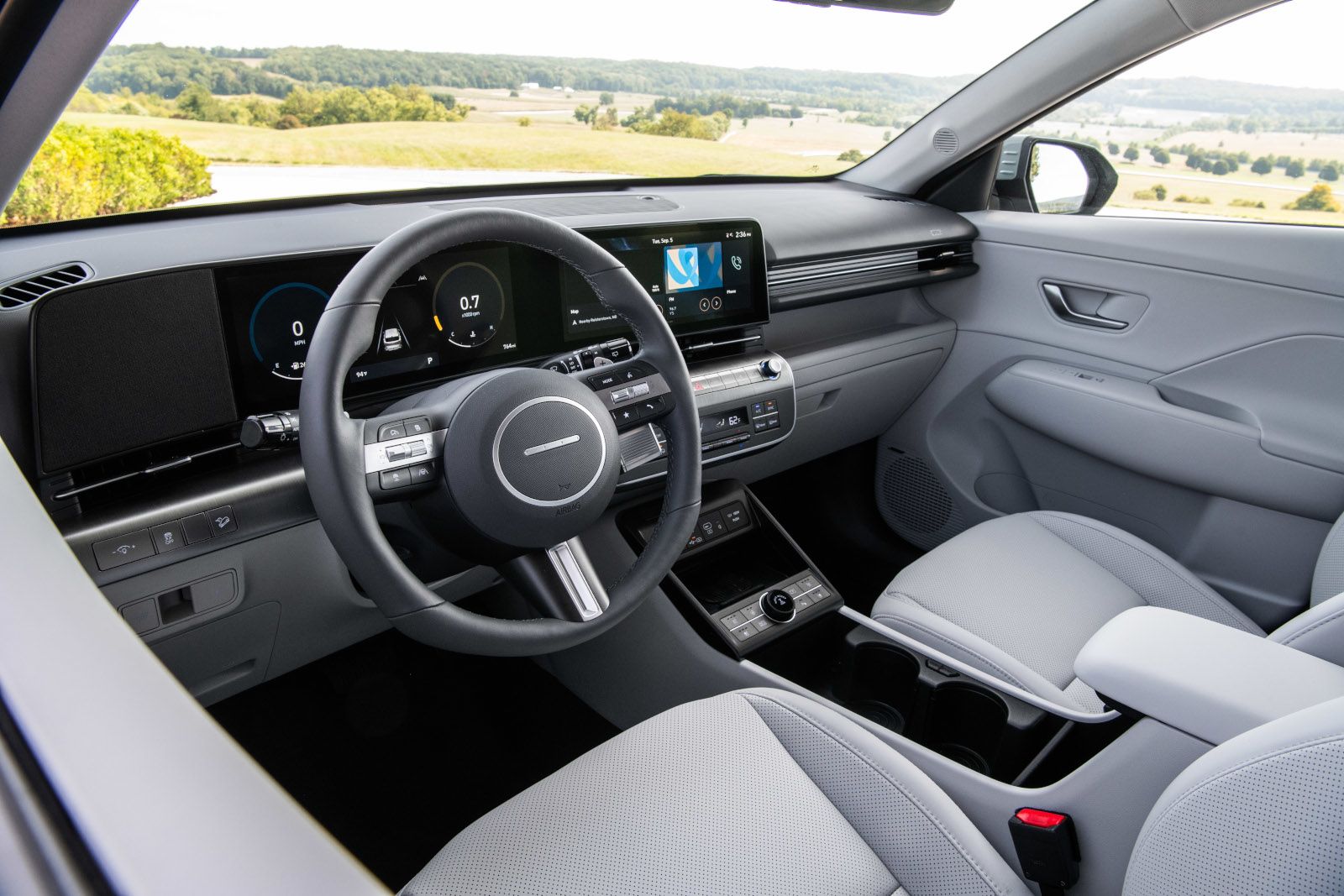
Commuters doing daily stop-and-go drives feel the ventilated seats first. It’s the difference between a warm seat back and a cool one after sitting in the sun at a red light, most relevant to N Line Ultimate shoppers who spend real time behind the wheel each day.
Families heading to cottage country get more from the solar glass on the Essential and Preferred trims, plus the second-row HVAC vents that keep kids in the back seat comfortable on a two-hour highway run. The N Line Ultimate’s 210 mm of ground clearance, compared with 170 mm on the Essential, also helps on gravel cottage roads without giving up any of the comfort features above it.
Which Kona Trims Get These Comfort Features
|
Trim |
Heated Front Seats |
Ventilated Front Seats |
AWD |
|
2.0L Essential |
Standard |
Not available |
Optional |
|
2.0L Preferred |
Standard |
Not available |
Optional |
|
2.0L Preferred Trend |
Standard |
Not available |
Standard |
|
N Line |
Standard |
Not available |
Standard |
|
N Line Ultimate |
Standard |
Standard |
Standard |
Heated seats come standard from the Essential trim up, but ventilation is reserved for the N Line Ultimate. That trim also adds dual-zone automatic climate control with an auto defogger, ambient interior lighting, and soft-touch cabin materials, features that start appearing at Preferred Trend and carry through the top of the lineup.
Feeling the 2026 Kona’s Summer Comfort for Yourself
The 2026 Kona pairs solar-treated glass on its entry trim with ventilated seats on its top trim, giving New Brunswick drivers real options for staying comfortable through a hot summer, whether the drive is a daily commute or a weekend run to the water.
Visit Thomas Hyundai in Woodstock to test drive the N Line Ultimate and feel the ventilated seats and solar glass working together, or ask the team which Kona trim fits your summer driving best.